
A Horse Owner’s Guide to Colic Recognition and Prevention
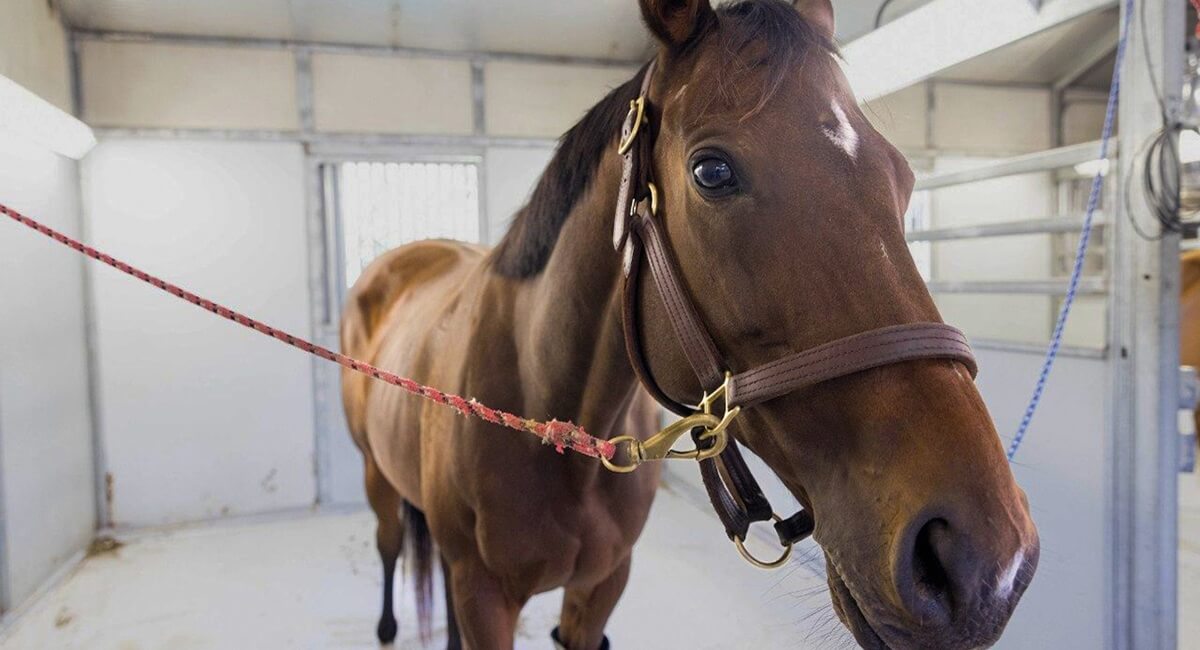
The call came on a sweltering July morning. Mari, an eight-year-old Thoroughbred mare, was lying down in her paddock, pawing at the ground and showing clear signs of distress. For Rachael Carpenter, a faculty member at Virginia-Maryland College of Veterinary Medicine, the symptoms were unmistakable.
“She was lying down and pawing and really uncomfortable,” Carpenter said. “I think probably because of the heat she wasn’t drinking and eating enough.”
What began as a regular urgent farm call for veterinarian Amy Santonastaso quickly escalated into a multi-day hospital stay that would test both the medical team’s expertise and the family’s resolve. Mari’s case illustrates the three critical elements that every horse owner must master: recognizing colic symptoms quickly, maintaining a strong veterinary relationship before emergencies strike, and understanding prevention strategies that can mean the difference between a treatable episode and a surgical crisis.
When Minutes Matter
Santonastaso arrived and managed to stabilize Mari’s condition. However, it became clear soon that this would require more intensive medical care, which was not available from the back of an equine medical truck at the farm. The diagnosis revealed a displaced colon—a severe form of colic where intestinal segments move into abnormal positions within the abdomen. In Mari’s case, her spleen had shifted, trapping intestine between the organ and her body wall.
“They have something like 80 feet of intestine in that small abdomen,” Carpenter said. “If they don’t eat, the colon can move and get gas extended. Then it doesn’t move back.”
The large animal medicine team at the Virginia-Maryland College’s Veterinary Teaching Hospital worked to resolve the displacement medically, using drugs to shrink the spleen and allow the trapped intestine to return to its proper position. Mari remained hospitalized for nearly a week, receiving continuous fluids and careful monitoring.
Building Your Veterinary Safety Net
Mari’s case highlights a critical challenge facing horse owners today: the shortage of large animal veterinarians. Carpenter emphasized the importance of establishing relationships with equine practitioners before crises occur.
“A lot of veterinarians are starting to not see emergencies for people that they don’t see regularly,” she said. “If they don’t do your vaccinations and your teeth and your well visits, they’re less likely to come in an emergency.”
The recommendation is clear: maintain regular veterinary care for routine services to ensure emergency availability when needed. Veterinarians tend to prioritize existing clients during busy periods or when multiple emergencies arise simultaneously.
Recognizing the Warning Signs
Colic, which means abdominal pain, can manifest in various ways. Common symptoms include:
- Pawing at the ground or kicking at the belly
- Lying down repeatedly or rolling
- Looking at or biting the abdomen
- Loss of appetite
- Sweating and restlessness
- Changes in manure production
“Know your horse’s routine, know your horse’s habits,” said Corinne McCoy, Mari’s trainer. “If you keep your horse at a boarding facility, then the people who run that boarding facility should know your horse’s routine and habits.”
Prevention Strategies
Most Critical: Hydration
Temperature extremes—both hot and cold—can affect drinking habits. “If it gets really hot and horses don’t increase their drinking to keep up, or if it gets really cold and they quit drinking, water and hydration can have a huge effect,” Carpenter said.
Daily Essentials: Feeding and Exercise Routines
Maintain consistent feeding schedules with adequate forage, and avoid sudden dietary changes. Engage in regular exercise and relaxation to promote healthy digestion and reduce stress.
Environmental Factors: Weather Monitoring
McCoy observed that “temperature changes of any sort” can trigger colic episodes in susceptible horses. Monitor horses closely during weather transitions and adjust management accordingly.
When Emergency Services Make a Difference
The Veterinary Hospital’s developing emergency service model demonstrates how veterinary medicine is evolving to meet the needs of after-hours care. The new system will increase the number of dedicated nighttime staff in the rotation who can rest during the day, rather than always requiring day-shift veterinarians to work around the clock.
“Currently, clinicians are up all night, and they still have to see their appointments the next day,” Carpenter explained. “If someone is working at night that can go home in the morning and hand over care to someone during the day, that’s going to help a lot.”
Back in the Saddle
Six weeks after her hospital discharge, Mari was back to competing in horse shows. Just two months later, she claimed reserve champion in senior dressage showmanship at the Virginia State 4-H Championship Horse and Pony Show.
The recovery process required gradual reintroduction to normal activities, starting with small paddock turnout and frequent small meals before returning to complete training. For Mari’s rider, 16-year-old Kate Byron, and trainer, McCoy, Mari’s return to three-day eventing represents both relief and renewed appreciation for the collaborative veterinary care that made it possible.
“It was a big relief,” Carpenter said of Mari’s recovery. “It’s very stressful when a horse colics, because it can start mild and it can go downhill very quickly.” As Mari prepares for a jumper derby in Lexington next month, her story serves as a reminder that with proper veterinary care, prompt recognition of symptoms, and timely emergency care, many horses can recover fully from severe colic episodes and return to their full athletic careers.
The key message remains consistent: establish veterinary relationships early, understand your horse’s normal behavior, and never hesitate to seek professional evaluation when something seems amiss.
Read more from Andrew Mann on Virginia-Maryland College of Veterinary Medicine topics here.
See this article in the November 2025 Online Digital Edition:
November 2025

The Colorado Horse Source is an independently owned and operated print and online magazine for horse owners and enthusiasts of all breeds and disciplines in Colorado and surrounding area. Our contemporary editorial columns are predominantly written by experts in the region, covering the care, training, keeping and enjoyment of horses, with an eye to the specific concerns in our region.