
A Trainer’s Perspective on Arena Surfaces
Few things are more important for the soundness of our horses than the arena footing we ride on. Years of training horses and teaching lessons has given me some strong opinions about what’s best.
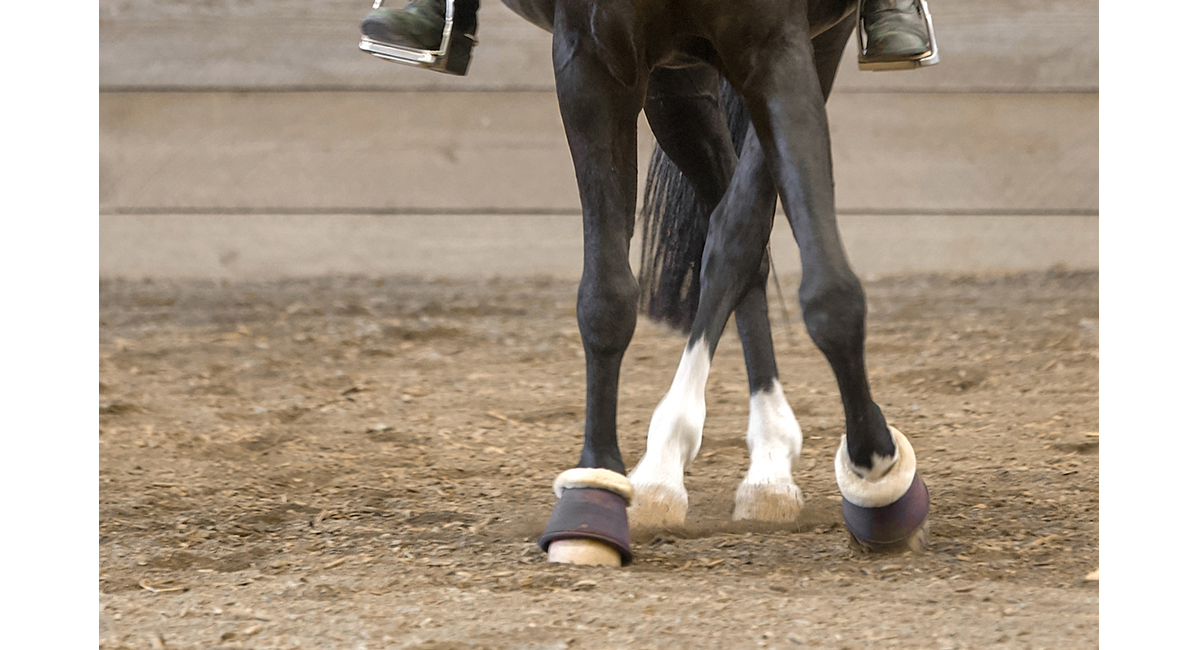
If you pay attention to horses as they work, it’s easy to see when they are uncomfortable. Things like a reluctance to go forward, moving “on eggshells”, slipping, stumbling, getting winded quickly, stiffness, stopping at jumps, or avoiding certain areas of an arena can all be signs of discomfort.
Of course, all these issues can be caused by things other than poor footing. Take your horse to a variety of arenas and ride on grass or hard-packed dirt trails to learn if your horse’s problems are consistent or just happen when you ride in your arena. Horses will tell you what footing makes them the most comfortable. Listen.
Here are some of my biggest concerns where footing is concerned:
Too Deep
Footing that’s too deep is especially problematic for soundness. People often mistakenly think that soft is better, but deep footing puts more strain on joints, tendons, ligaments, and muscles than firmer footing. Horses were designed to run across rocky deserts and grassy plains, not on something resembling the dry sand at the beach or a deep carpet. Horses need some concussion on their feet and legs for hoof and tendon/ligament health and to develop strong bones.
Different disciplines have slightly different needs, but in general, an arena needs a firm, well-drained base with about 3 inches of cushion. Start with less and add more as needed.
Too Slick
The flip side of too deep is an arena surface that’s hard and slick which can create dangerous conditions for horses and riders, especially when worked at speed as in reining, jumping, or barrel racing. Slick arenas often benefit from the addition of sand and a good quality harrow/groomer.
Too Fluffy
Too fluffy on top and hard on the bottom can also create slippery, uneven conditions. This can happen if there’s too much synthetic material or if shavings are added over slick hard footing. Again, a good quality angular sand can help.
The Problem with Synthetics
Riding on arenas with synthetic additives like rubber or textiles can be great. These products help with cushion and dust control and aid in binding the footing together to avoid shearing and slipping. The problem with them, for me, is that all things break down and eventually need to be replaced. This is an issue that’s seldom talked about by the people who sell these products.
So, ask them before purchase, “What do I do with this stuff once it’s worn out and needs to be replaced?” I know of a few people who’ve had to pay to have all their arena footing hauled to a landfill at a very high cost. Also, investigate the dust created by your synthetic of choice. Rubber, especially, can be unhealthy to breathe.
If your arena footing is completely organic and made of dirt, sand, or wood products, you can use it in beneficial ways on your property once it breaks down, filling in wet spots in your fields or even using it for raised beds in your garden.
Water Worries
Like Goldilocks, arena footing needs a moisture level that’s “just right”. Water helps bind the footing together and keep it from becoming too hard or dusty. Some kinds of sand, like silica sand, need a lot of water. There are additives you can purchase to help with dust control, but do your research carefully as these chemicals can be a problem for the health of people and horses as well as for the environment.
Type of Sand
Accessing good arena sand is difficult, and I urge you to contact successful and experienced arena builders in your area because sand is different all over the Northwest. Basically, you want a washed, screened, angular sand that packs well.
Silica sand provides a wonderful surface to ride on, but it’s very expensive. The downside is it’s like shards of glass if it blows into your eyes (or your horse’s eyes). You can deal with this by using lots of water and adding fiber. There’s also some concern that silica dust can be dangerous to breathe.
All sand breaks down over time, so count on the need and expense of replacement.
Wood Products
Hog fuel used to be all the rage in the Pacific Northwest, but sand is more in favor these days. Hog fuel arenas need a good base, regular watering, and need to be replaced every few years. It can be both too deep and too fluffy at times. It can also be dangerously slippery as it breaks down.
Very small cedar chips (playground chips) can be added to sand arenas to increase softness and add organic material that helps keep dust down. They can be expensive and can also create the too fluffy scenario mentioned above.
Bottom Line
If you’re planning to build an arena, hire a reputable, experienced contractor to do the job. Well-constructed arena footing needs less maintenance and water, but all arenas need some maintenance, so plan on it. Arena footing is a huge expense, so do it right from the beginning and you’ll enjoy your arena for years.
See this article in the August 2025 Online Digital Edition:
August 2025
Kim Roe grew up riding on the family ranch and competed in Western rail classes, trail horse, reining, working cow, and hunter/jumper. She trained her first horse for money at 12 years old, starting a pony for a neighbor.
Kim has been a professional dressage instructor in Washington state for over 30 years, training hundreds of horses and students through the levels. In recent years Kim has become involved in Working Equitation and is a small ‘r’ Working Equitation judge with WE United.
Kim is the editor of the Northwest Horse Source Magazine, and also a writer, photographer, and poet. She owns and manages Blue Gate Farm in Deming, Washington where she continues to be passionate about helping horses and riders in many disciplines.