Have an event to promote? Submit it here.

The New Normal

Protect Your Horse with Strategic, not Rotational, De-worming  by R. Paul Schwab, DVM   Recently the American Association of Equine Practitioners (AAEP) released their guidelines for parasite control in response to the development of resistance of some species of parasites to our common de-wormers. Their recommendations are based on the following …
Read More

Say ‘No’ to Nightshade

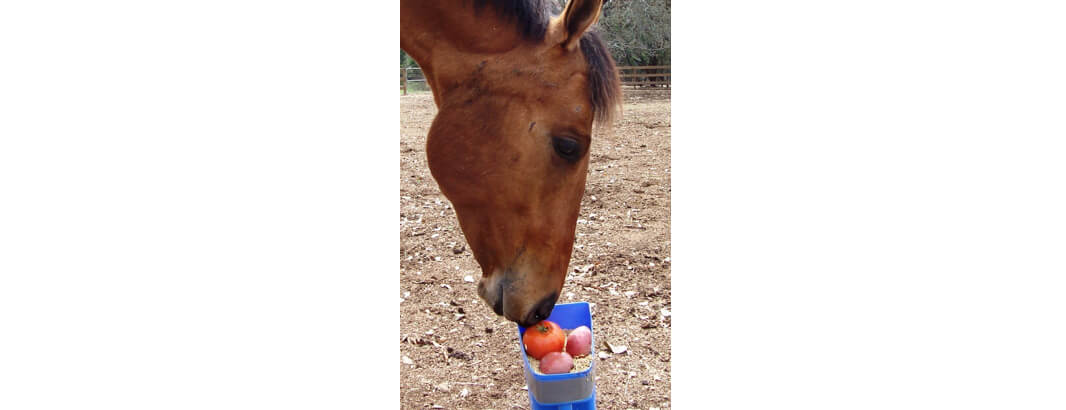
Safe Guard Your Horse Safe from a Poisonous Plant Family by Eleanor Blazer   You say “potato,” I say, “poison;” you say “tomato,” I say “toxin.” These plants are members of the nightshade (solanaccae) family and include eggplant, tobacco, chili and bell peppers, horse nettle, and jimsonweed. There are more …

Read More

The Real Cost of Cheap Hay

How to Determine if You’re Saving Money by Gina Fresquez, M.S., CHHC   With quality hay prices reaching an all-time high here in the Pacific Northwest (avg. $18/bale) many horse owners are looking for alternative hay sources that won’t break the bank. Some may even be tempted to ditch that …

Read More

Spring Cleaning for Horse Facilities

Disinfect Your Barn and Maintain a Healthy Environment by Dave Sauter, DVM   With spring in the air and a “fresh start” on everyone’s mind, there’s no better time to talk about disinfecting your horse facility. Whether talking about a surgical instrument, hospital room, horse stall, trailer or barn implement, the …

Read More

Medicinal Mushrooms and Your Horse

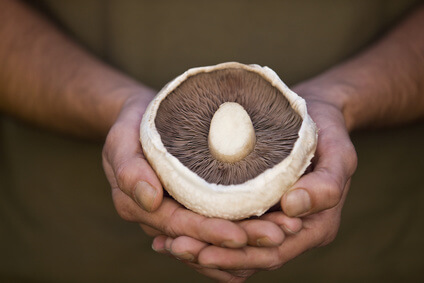
The Surprising Benefits of this Natural Supplement by Tom Schell, DVM     Mushrooms have been used for centuries in various medicinal cultures to aid in health conditions ranging from digestive issues to fatigue to cancer. There are many types of mushrooms with noted medicinal activity and include Shiitake, Maitake, Reishi …

Read More

Opossums, Horses, and EPM

Understanding Equine Protozoal Myelitis by R. Paul Schwab, DVM   Equine Protozoal Myelitis, or EPM, is a neurologic disease of horses caused by a parasite called Sarcocystis neurona, or less frequently by Neospora hugesi. Horses acquire the parasite from ingesting feed or water contaminated with feces of infected opossums. The migrating …

Read More

Ligament Damage and the Performance Horse

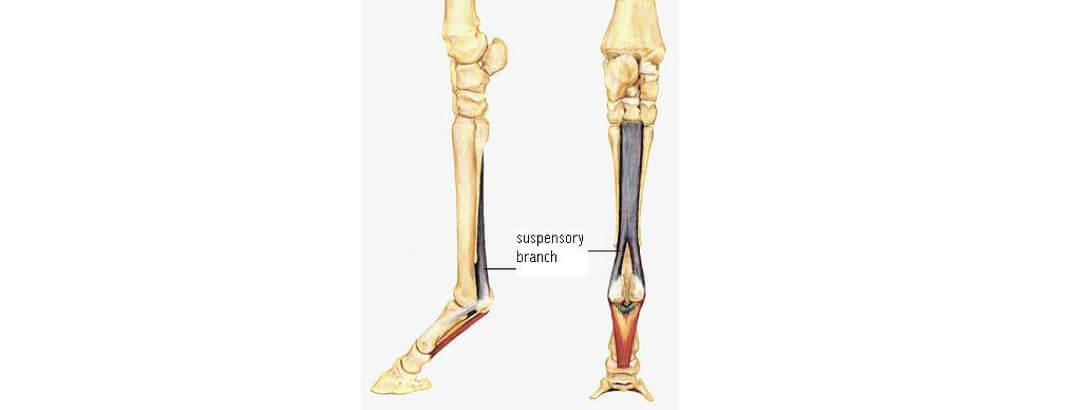
Part 2: Treating a Suspensory Branch Lesion with Platelet Rich Plasma by Jennifer Finley, DVM, Ph.D.   As discussed in part one of this case study (March 2013 issue), platelet rich plasma, or PRP, therapy was recommended for the Thoroughbred gelding racehorse with a lateral suspensory branch tear. Though PRP …

Read More

CPR for the Newborn Foal

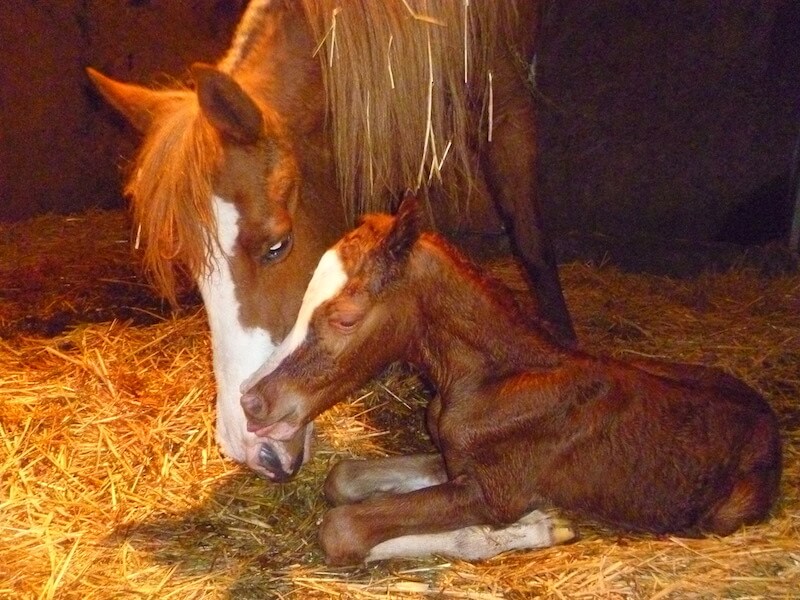
What to Do with a Non-responsive Foal by Joanne Fehr, DVM, DACVS, Emergency Clinician   While awaiting the arrival of a new foal, no one wants to anticipate problems. However, early recognition and appropriate response is imperative in emergency situations. If faced with a difficult delivery or non-responsive foal there …

Read More

Tying-up – Part 2

Part 2: Causes, Management, and Prevention by Dave Sauter, DVM   This two part series is a review of the Frank Milne State of the Art lecture presented by Dr. Stephanie Valberg at the 58th annual American Association of Equine Practitioners convention held in Anaheim, California this past December. Part One …

Read More