
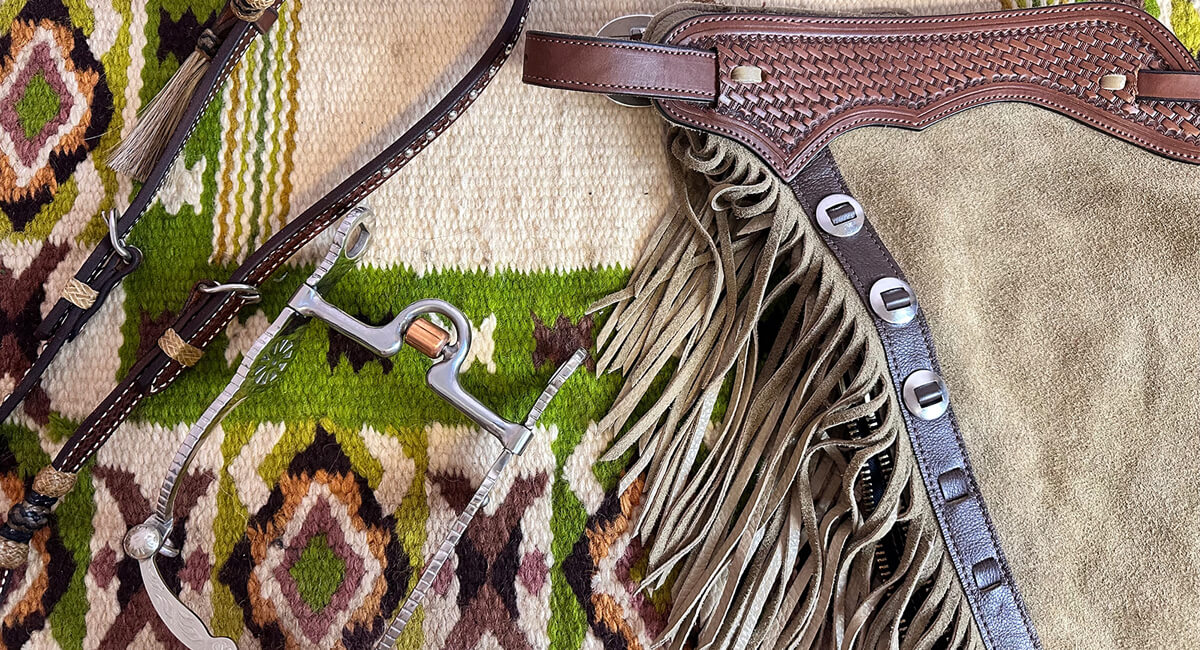
Avoid Risks While Reaping the Benefits
Online buying and selling is easier than ever! When horse owners find a killer deal on a tack set, the perfect saddle, or even a water trough in good condition and the price is right, it’s a sure-fire way to get our hearts pumping. But the good deals also come with some risks. In the age of social media, we might feel more connected, but purchasing online isn’t as safe as it might seem. After years of selling consignment horse tack and saddles, I’ve had some practice weeding out the dangers of buying and selling online and have some rules I’ve made a habit of following to stay safe.
Facebook stalking isn’t just for your ex!
I know you’ve been a social media sleuth at least once in your life, and buying or selling is the perfect time to be one. Before you meet or send money, you should always do a quick review of a potential buyer’s or seller’s profile. Identify how many friends they have and if any are mutual. A low friend count of 100 or less is often a red flag and a lack of photos is a warning sign it might be a fake profile.
Think about this: how many horse-crazy owners don’t share at least one photo of their equine BFF? Check their profile URL to see if the text following the backslash matches their name. If it doesn’t, the profile could be fake. Finally, do a site-wide search by typing their name in the main search bar. An active member of the horse community will most likely be tagged in posts, a member of different groups, and interacting with friends.
How do you take payment?
It’s critical that you use an online payment that can be refunded and protected if the sale goes south. If you are selling, avoid taking checks and cashier’s checks without verifying the legitimacy of funds. Cash is king, but if you aren’t selling in person, take the time to create an online payment account that will protect you.
Is this deal too good to be true?
It might be! Scammers will steal photos and text of original ads to re-post the item to sell—but they don’t have the item. If you think you’re getting an amazing deal that would otherwise break the bank, verify it’s real.
A great way to test a seller’s legitimacy is to ask for a specific photo of the item, or your name and the date on a piece of paper next to it. If they can’t produce this photo, it’s likely a scam. If you are selling, mark your photos in some way. I have a business sign in my background, but sellers can use their phone app to add text to the photo and let buyers know it’s the real deal.
Share your location.
Location is important in business and real estate, but it’s equally important for safety. Be particular about when and where you meet people for sales. Try to opt for a public place that has great visibility and traffic, like a gas station, grocery store—or our favorite—a feed store! If possible, meet during daylight hours and share the details of your meeting with someone (like a friend or family member) by sending a pin, a screenshot of the person’s profile, and the name of who you’re meeting so someone who loves you has the details.
Trust the safety experts.
Military specialists and police officers love to share safety tips, so employ some of my favorites: always keep your phone and keys with you, ask for a vehicle description before you meet, park facing outward so you have a view of who is entering and leaving the parking lot, and lock your car doors. It’s okay for someone to hear you press the lock button.
You matter more than tack. Your safety is the top priority. You don’t have to explain how excited you are over your cool find. Horse people get it! But no sale is worth your safety. Your loved ones—including your horse—will thank you.
See this article in the September 2025 Online Digital Edition:
September 2025

Katie Surritt is a freelance writer specializing in Western history and cowboy culture. Since 2014, she’s been dedicated to writing authentic stories about Western living, forgotten history, and events shaping the industry today. Katie shows reined cow horses and owns A-List Tack, a high-end consignment saddle and tack business. Katie’s work and life reflect a deep respect for Western tradition with a modern cowgirl twist.
For more of Katie’s writing, visit katiesurritt.com.